
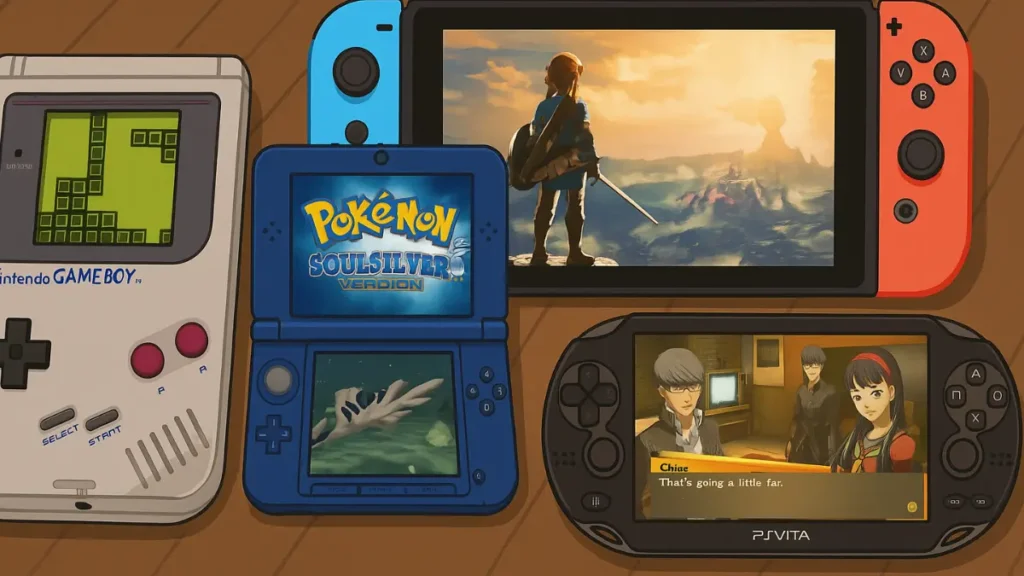
Handheld gaming has always stood apart from traditional TV-based gaming — with shorter sessions, optimized design, compactness, and on-the-go accessibility. But today, with devices like the Nintendo Switch and Steam Deck, those boundaries are increasingly blurred. Some of the best handheld games in history can now be played literally anywhere.
This list highlights 15 titles that represent the pinnacle of handheld gaming, whether they were originally made for portable systems or ended up fitting that format perfectly. We focused on quality, playability in handheld mode, and cultural impact.
Also, many of these classics are already available or confirmed for modern handhelds – our Nintendo Switch 2 vs Steam Deck comparison breaks down which device offers the best experience for your favorite titles.
The Legend of Zelda: Breath of the Wild (Switch, 2017)
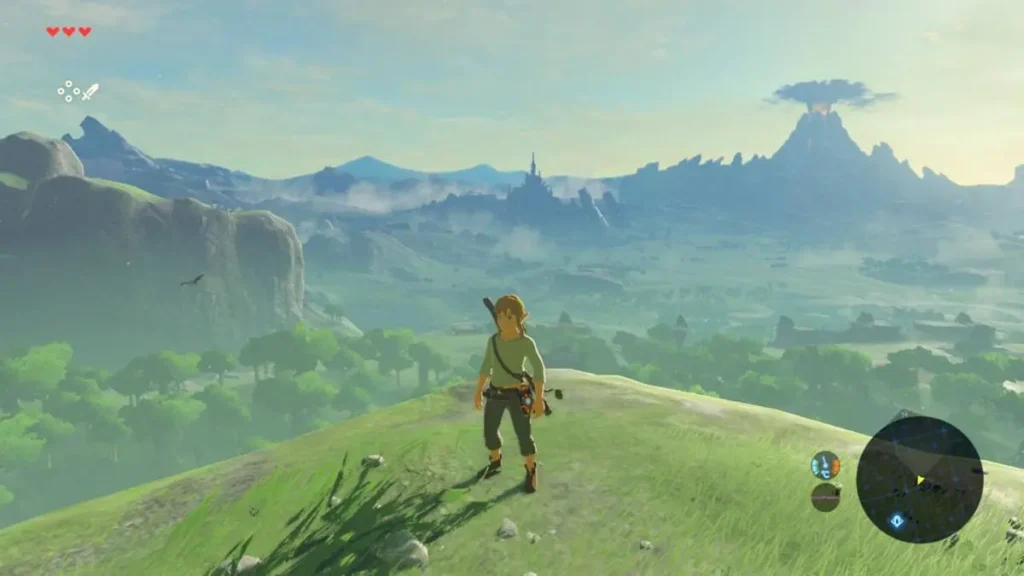
Breath of the Wild redefined the concept of the open world, offering total freedom to explore and solve puzzles creatively. Its physics and stamina systems turn even the simplest action into a tactical decision. On the Switch, being able to play this vast adventure on the go makes it even more impressive. Handheld mode playability is taken to the max here. This isn’t just a big game — it becomes personal when played in your hands.
Super Mario Odyssey (Switch, 2017)
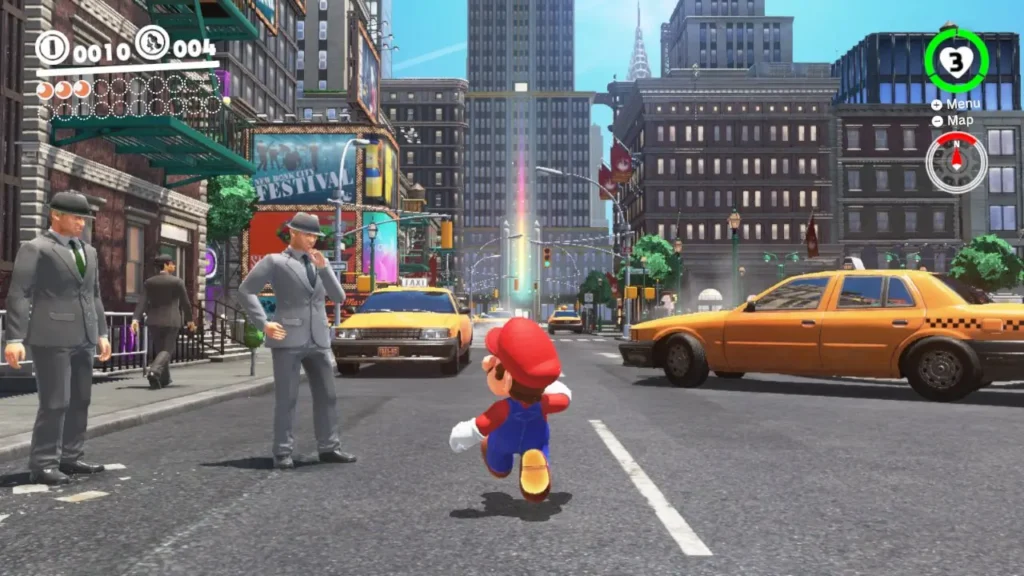
Super Mario Odyssey is a colorful, joyful, and wildly imaginative journey through distinct kingdoms, each with unique mechanics. Cappy, Mario’s hat-companion, adds a new layer of control and experimentation. It’s perfect for handheld play, allowing quick sessions where you can still make progress — whether collecting Power Moons or uncovering secrets. Technically outstanding and seamless in portable mode.
Metroid Dread (Switch, 2021)
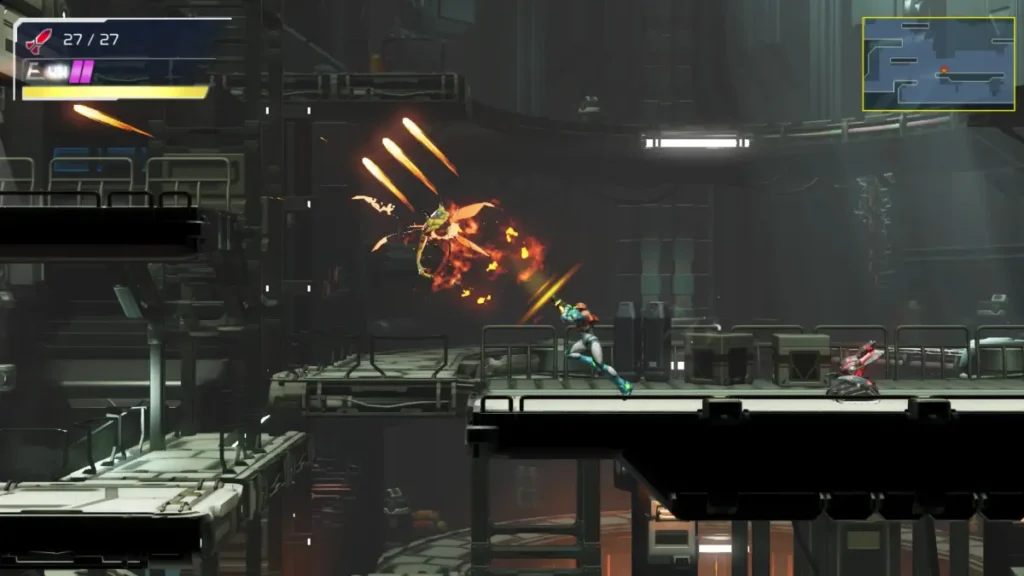
Metroid Dread marks a return to the 2D Metroid formula after nearly two decades, now with a modern twist. E.M.M.I. robots add a sense of constant danger, while Samus’s controls are incredibly fluid and responsive. Levels are dense, interconnected, and full of secrets. The control scheme feels tailor-made for Joy-Cons. In handheld mode, the tension and isolation hit even harder — making it one of the most gripping solo portable experiences.
Hades (Switch/Steam Deck, 2020)
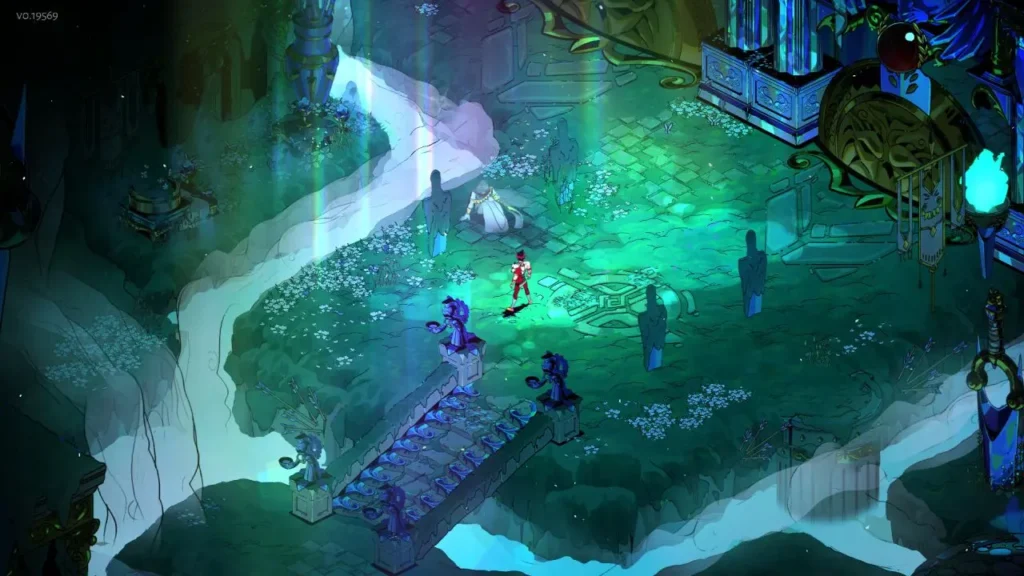
Hades is one of the best handheld games of the modern era — the perfect blend of roguelike combat, rich characters, and a story that unfolds through repetition. Each run lasts about 20 minutes, ideal for gaming on the go without frustration. Its art style, voice acting, and battle rhythm shine even on smaller screens. In handheld mode, it doesn’t feel like a compromise — it’s the format Hades was born to thrive in.
Stardew Valley (Switch/Steam Deck, 2016)
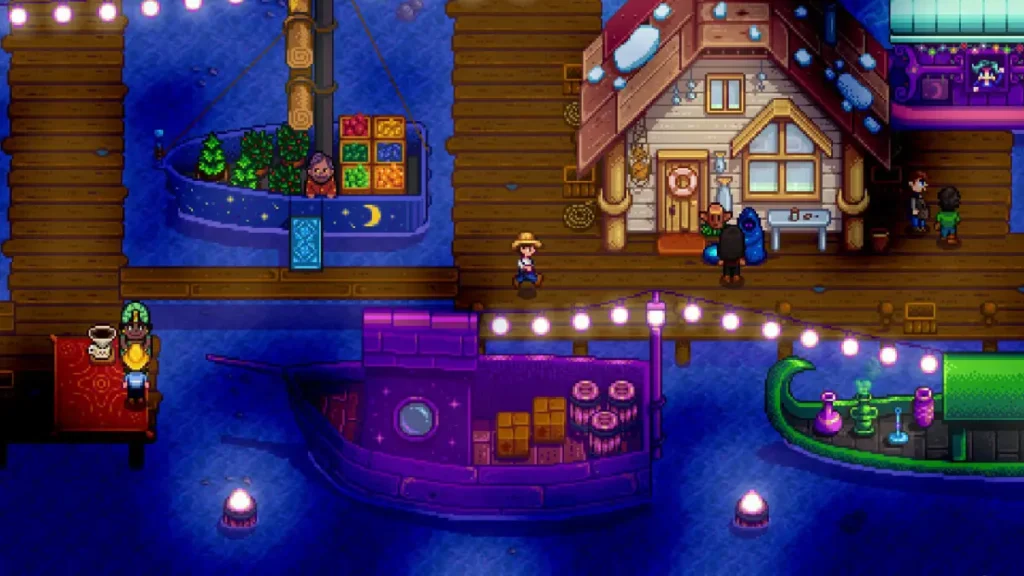
Stardew Valley is more than a farming sim — it’s a meditative game about life, community, and small joys. Inspired by classic Harvest Moon titles, it goes deeper with more freedom. In-game days last around 15 minutes, giving it a natural rhythm. That’s why it shines in handheld — players set their own pace. Travel, breaks, bed — any moment becomes a window into Pelican Town.
Persona 4 Golden (PS Vita, 2012)
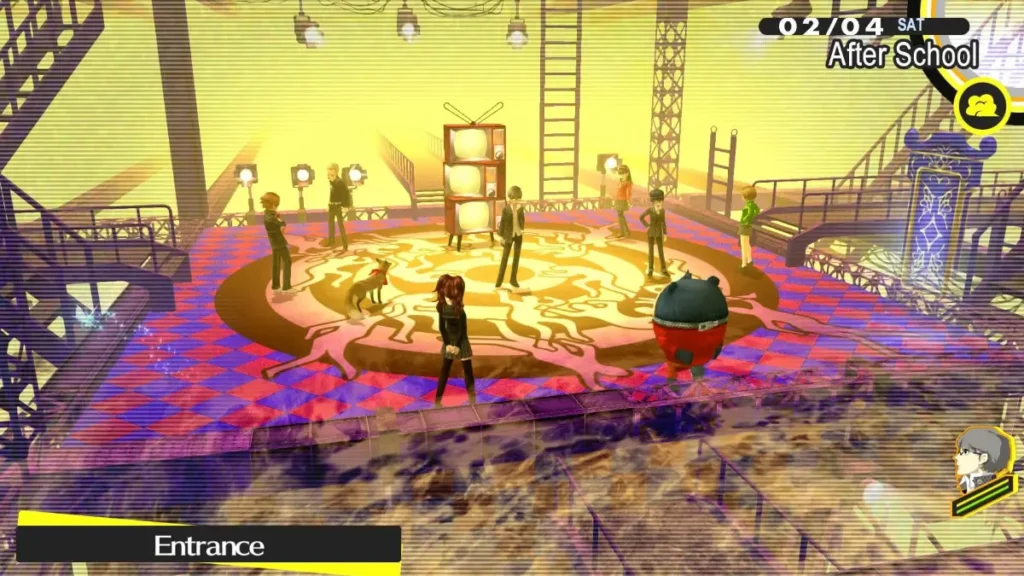
Persona 4 Golden mixes everyday Japanese high school life with a dark murder mystery set in a parallel TV world. Daily routines, social links, and dungeon battles complement each other perfectly. On PS Vita it feels intimate — something you read, listen to, and live up close. The handheld version is technically polished, and with new characters and scenes, it’s the definitive edition.
Lumines (PSP, 2004)
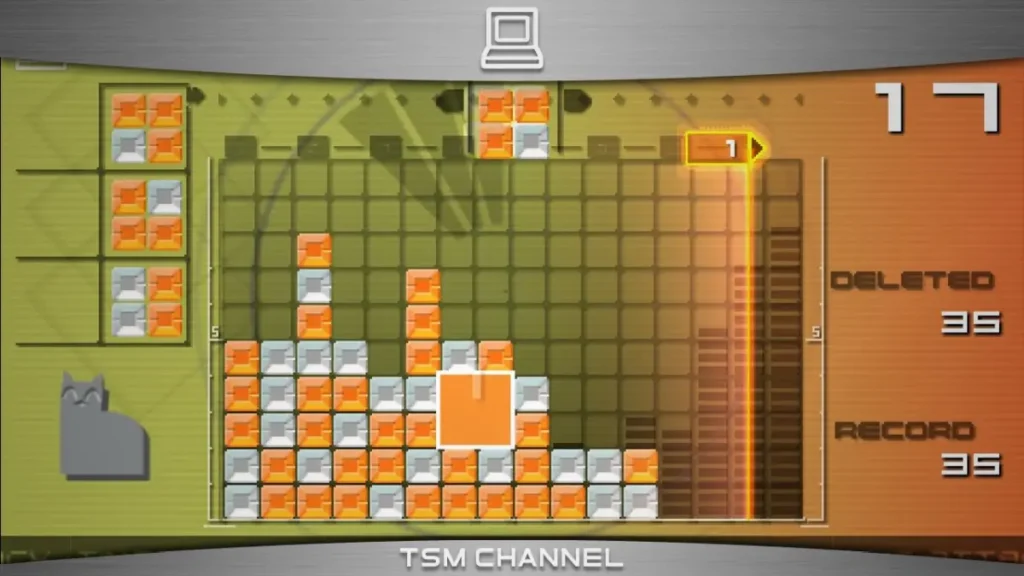
Lumines is a fusion of music game, puzzler, and audiovisual meditation. Blocks and timelines sync with electronic music and visuals to create rhythmic harmony. The core mechanic is simple — match colored squares — but tempo and visual chaos add challenge. With good headphones, Lumines becomes more than a game: it’s a state of mind. Perfect for focus, relaxation, and rhythm on the go.
Tetris (Game Boy, 1989)
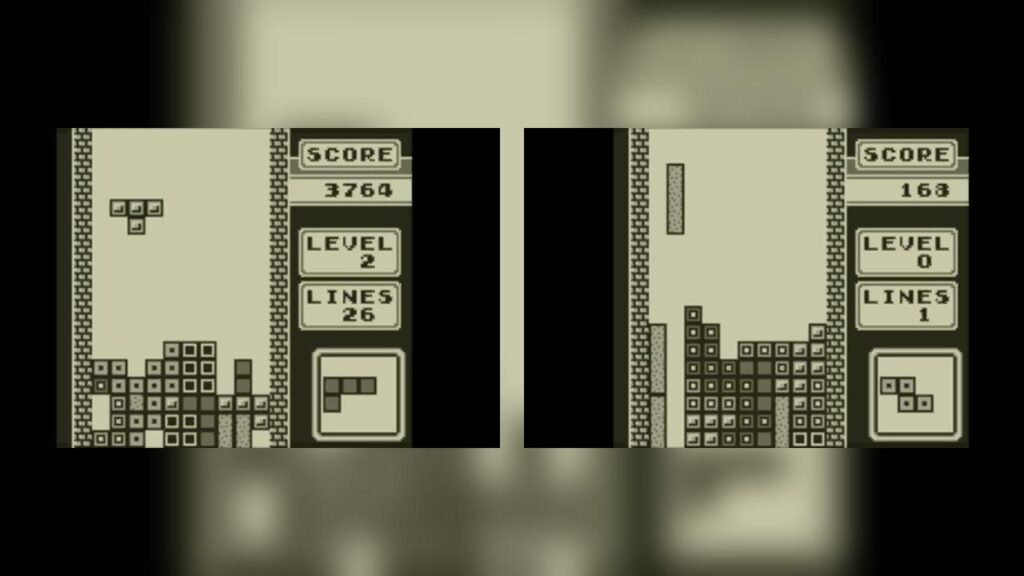
Tetris changed the world. Paired with the Game Boy, it showed that portable gaming could be universal, addictive, and fun. A simple goal — clear lines — hides a continuous stream of micro-decisions. It didn’t need color, internet, or plot — just rhythm and form. Today, Tetris is playable anywhere, but no one remembers it on a phone — everyone remembers holding a Game Boy and its gray screen.
The Legend of Zelda: A Link to the Past (GBA, 2002)
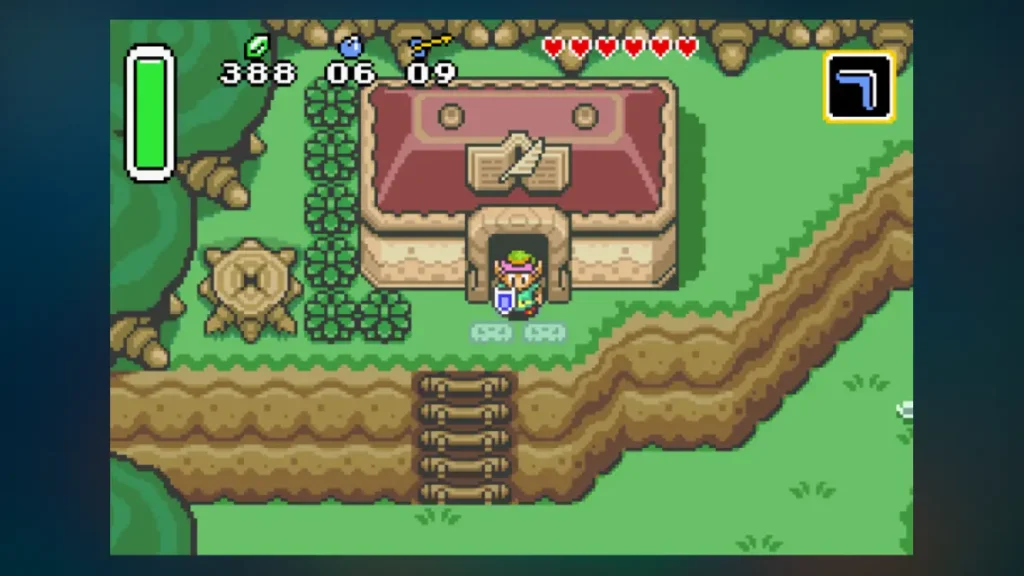
Originally a SNES classic, the GBA version delivers all its brilliance in a portable format. Exploring dual worlds, tackling legendary dungeons, and soaking up the atmosphere helped define the genre. On GBA, faster loading and bonus content make the experience tighter but just as epic. It’s classic Zelda, now in your pocket.
Castlevania: Aria of Sorrow (GBA, 2003)
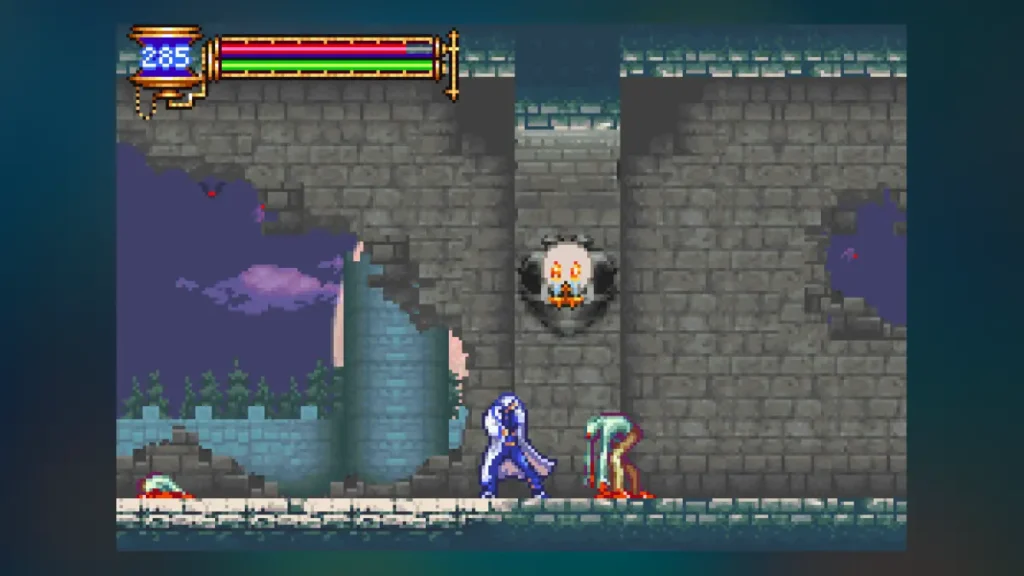
The third and boldest entry in the GBA Castlevania trilogy. Aria of Sorrow introduces a futuristic plot, refined tone, and an innovative Soul system that reshapes combat and character builds. Soma Cruz leads a fresh story arc. The game is fast, stylish, and challenging — perfect for short sessions that still feel rewarding.
Advance Wars (GBA, 2001)
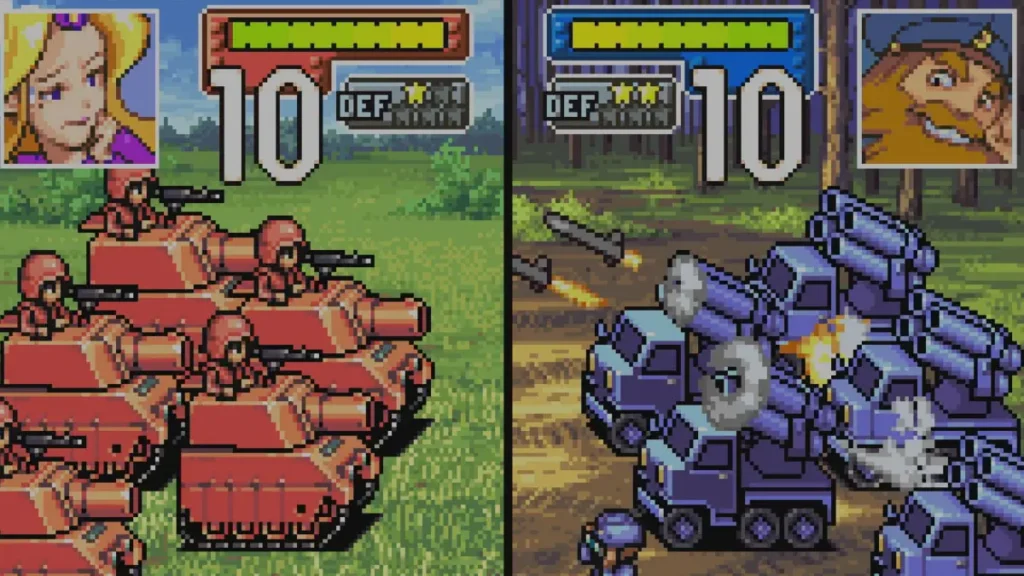
Advance Wars is one of the best handheld games in the strategy genre — a turn-based strategy game that looks simple but hides deep tactical gameplay. Each unit has strengths and weaknesses, and the map becomes a puzzle of foresight. The campaign is long and tough, and its link cable multiplayer was groundbreaking. Its clean visuals and snappy pacing make it a natural fit for handheld gaming. Even today, it feels fresh and irresistible.
Fire Emblem: Awakening (3DS, 2012)
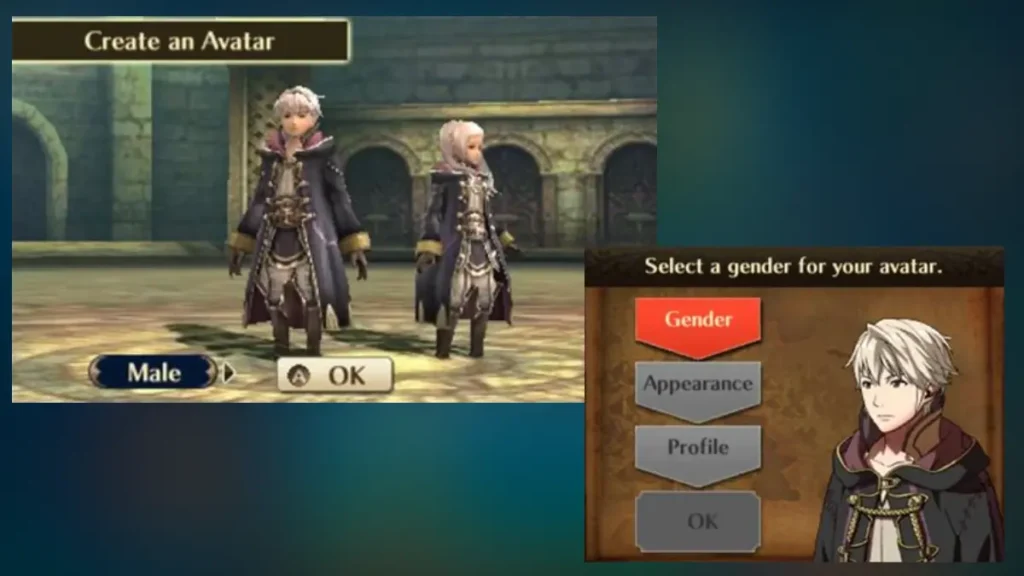
More than just a tactical RPG, Fire Emblem: Awakening revived the franchise. Charismatic characters, deep relationship mechanics, and the permadeath system make every move matter. The 3DS’s portable form let players plan at their own pace without fatigue. It’s elegant, tough, and emotionally charged.
Pokémon HeartGold / SoulSilver (DS, 2009)
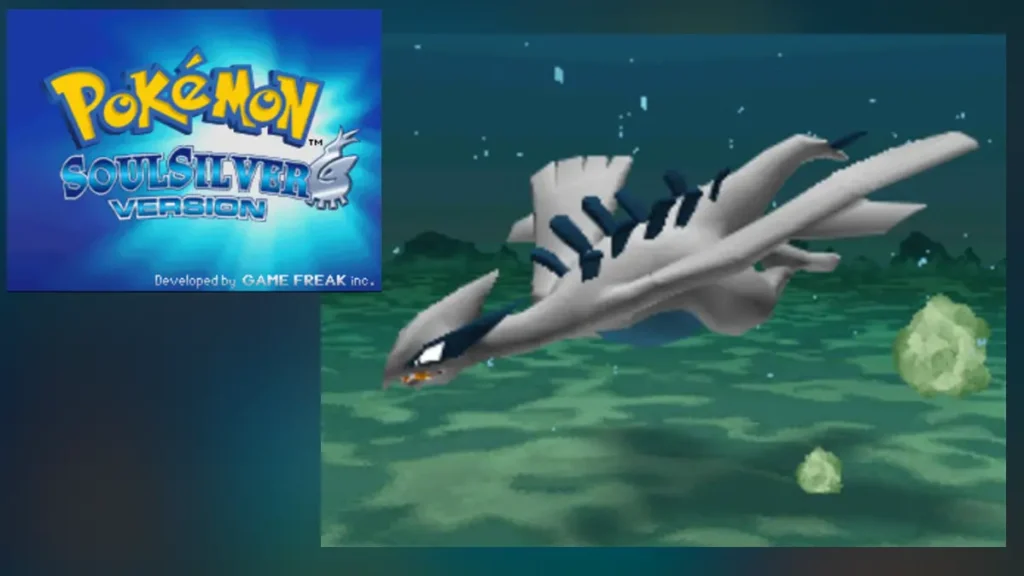
This remake of the Gold and Silver classics combines the best of old and new Pokémon eras. Two regions, nearly 500 Pokémon, DS-era visuals and audio, plus the Pokéwalker pedometer that encouraged movement. Having a Pokémon walk beside you was pure charm. A huge game that never feels overwhelming — perfect for handheld grinding and exploration.
Super Mario 3D Land (3DS, 2011)
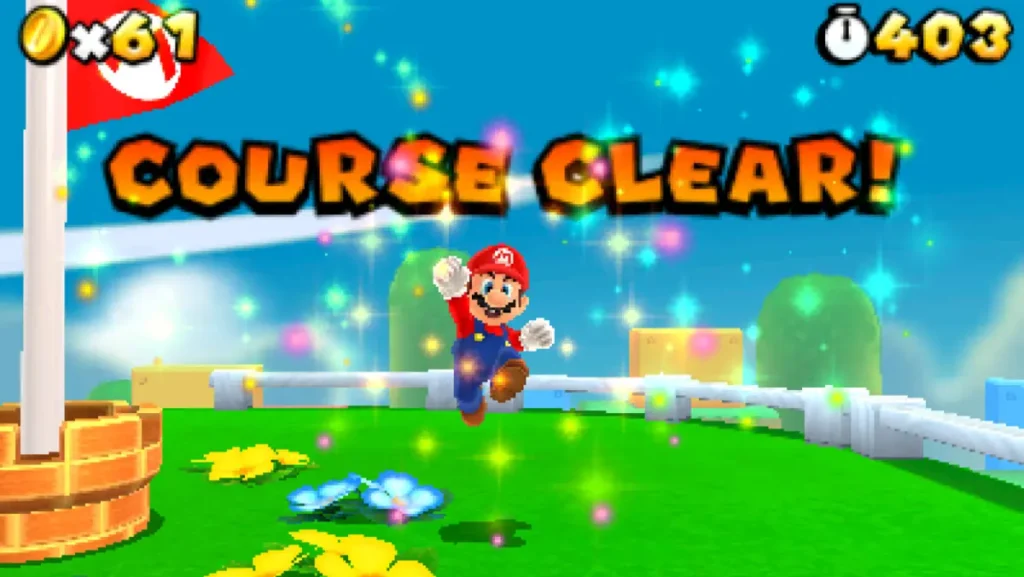
Nintendo’s answer to “how do we make a 3D Mario feel like 2D Mario?” 3D Land is one of the best handheld games Nintendo has ever produced. It offers short, tight levels with sharp controls and full use of the 3D visual effect. Great for quick bursts but with enough depth for 100% completion. The structure fits the handheld philosophy perfectly — jump in, play, smile.
WarioWare, Inc.: Mega Microgames! (GBA, 2003)
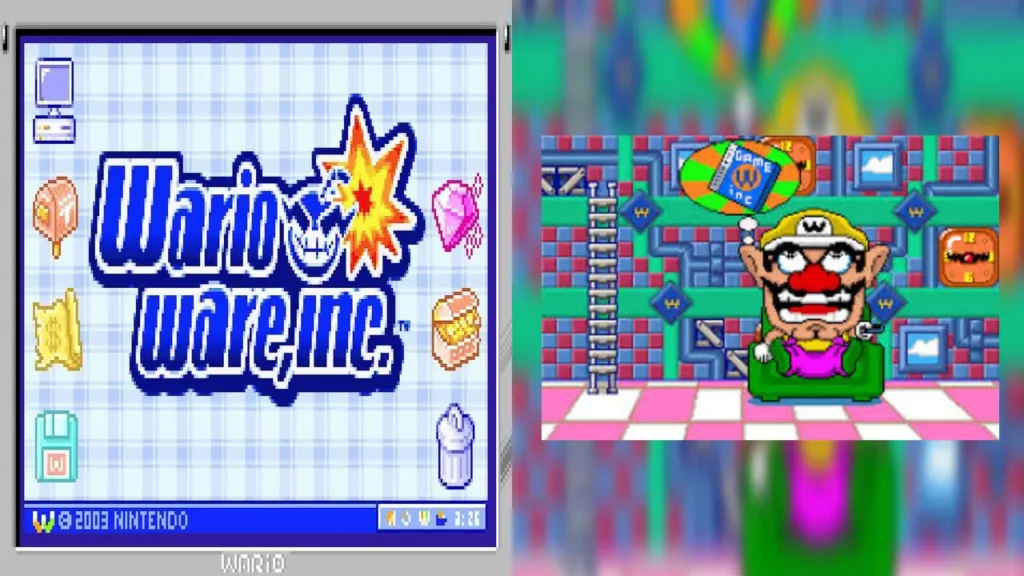
WarioWare is pure creative madness. Its microgames last seconds and span all genres and art styles — from the weird to the brilliant. Reflexes are tested, and laughs are guaranteed. Using speed, chaos, and absurdity, it becomes something unimaginable on “serious” platforms. This is handheld game design at its purest: wild, funny, and wildly addictive.
In Conclusion: Why Handheld Gaming Matters
Handheld gaming isn’t just a technical format — it’s an emotional and cultural phenomenon. Whether you grew up with a Game Boy, lost hours to your PSP on a train, or now lose yourself in epic adventures with a console in hand, portable games create a unique bond with players: more intimate, more immediate, more personal. This list isn’t a final truth, but a powerful reminder that some of the best handheld games ever weren’t played on giant screens — but in the palm of your hand. If you’re looking for experiences that stay with you — even after you shut them off — you’ve found them.

Gaming through a sharper lens.
PixelPilot navigates the handheld gaming landscape with reviews, genre breakdowns, and playability insights. Whether it’s an indie gem or a blockbuster title, he delivers clear, focused analysis to help players find their next favorite game.