
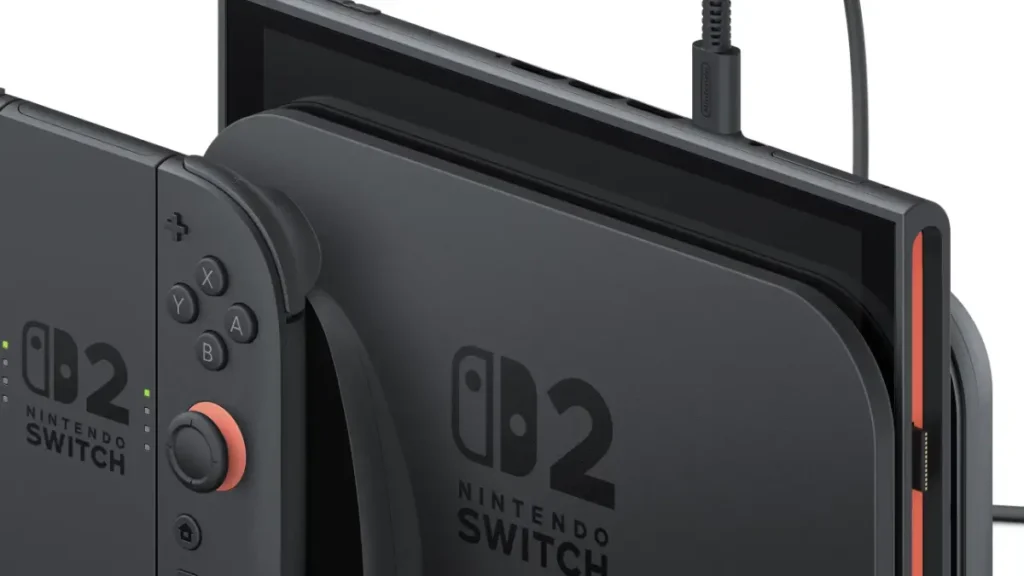
Nintendo’s latest console features a USB-C port that looks standard but hides proprietary restrictions. The Switch 2 USB-C port actively blocks most third-party docks and accessories through encrypted protocols, forcing users to purchase Nintendo’s $120 official dock instead of affordable alternatives that work with every other handheld device on the market.
How Switch 2 USB-C Authentication Works
Technical analysis reveals that Nintendo implemented a complex handshake system between the Switch 2 and its dock. According to testing by The Verge using a Power-Z KM003C protocol analyzer, the console and official dock exchange over 30 proprietary “vendor-defined” messages before enabling video output. These aren’t standard USB-C Power Delivery negotiations – they’re completely custom protocols that Nintendo created specifically to identify authorized accessories.
The system demands 20V power input even though the console only uses 15W (roughly 15V) during actual operation. This artificial requirement immediately eliminates many standard USB-C docks that would otherwise work perfectly. When third-party docks attempt connection, the Switch 2 performs multiple communication reversals (DR_SWAP) and partial resets (SOFT_RESET) until the unauthorized device simply gives up.
Linus Tech Tips recently called this approach “tactical laziness” in their analysis, suggesting Nintendo ensured their own accessories work perfectly, then deliberately stopped any effort to maintain broader USB-C compatibility. Nintendo’s USB-C implementation appears to be using the DISCOVER_IDENTITY request to check for specific manufacturer IDs, only proceeding with full functionality when it recognizes Nintendo’s own hardware.
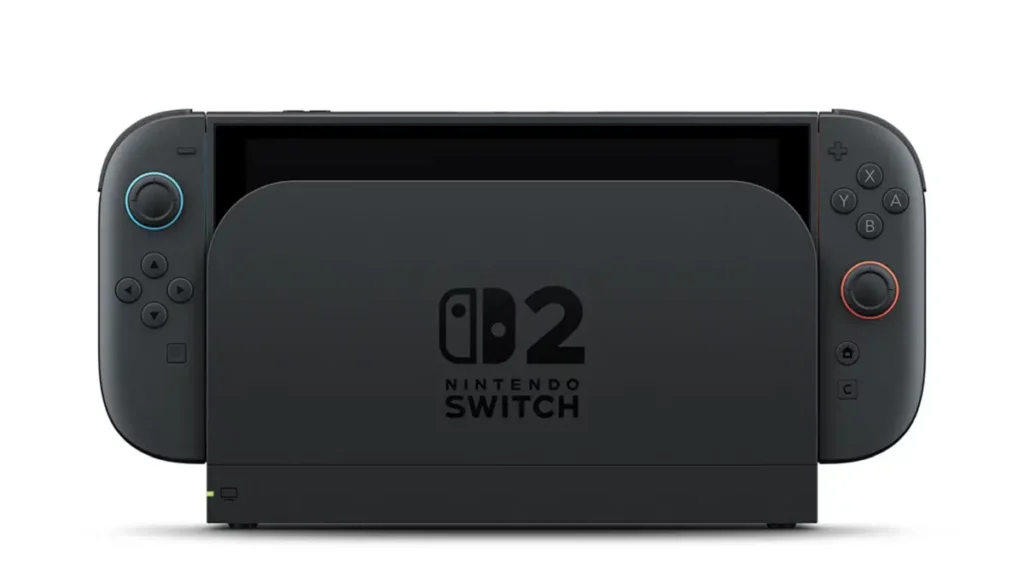
Switch 2 USB-C vs Original Switch: Major Differences
The original Switch, while not perfectly compliant with USB-C standards, was significantly more open to third-party accessories. Dozens of travel docks, charging solutions, and adapters from companies like Genki, ASUS, and Anker worked without issues. Users could choose from affordable $30-40 docks instead of Nintendo’s premium options.
The Switch 2 changes everything. Popular accessories that worked flawlessly with the first-generation console now fail completely. The Genki Covert Dock 2, ASUS ROG 65W Charger Dock, and similar products only function as basic chargers – they cannot output video or enable docked mode. The console’s screen stays on instead of switching to TV output, treating these docks as simple power sources.
This isn’t about safety or technical limitations. The original Switch had genuine hardware problems with some third-party docks after firmware 5.0, where non-compliant accessories could damage the console’s power delivery chip. However, those were manufacturing defects and poor USB-C implementation. The Switch 2’s restrictions are intentionally designed barriers using encryption and authentication protocols.
Industry Response: Manufacturers Abandon Switch Accessories
The impact on accessory manufacturers has been immediate and severe. Jsaux, a major producer of Steam Deck and gaming handheld accessories, publicly announced they’ve halted Switch 2 dock development. The company stated they cannot bypass Nintendo’s proprietary authentication system, making it impossible to create compatible products.
Currently, only one third-party dock works: the Antank S3 Max (also sold as SiWiQU TV Dock Station) priced at $36. Technical analysis shows this dock successfully mimics Nintendo’s authentication protocol through reverse engineering. However, Antank representatives acknowledge this compatibility remains precarious: “The key should be considered subject to change. Our product supports firmware updates, so any future changes to the authentication key by Nintendo could theoretically be addressed.”
This creates an ongoing cat-and-mouse game where Nintendo could disable these workarounds through system updates. Several tech outlets, including Tom’s Hardware and HotHardware, have documented how Nintendo’s USB-C port on Switch 2 now has unprecedented control over the ecosystem, potentially blocking any unauthorized accessory at will.
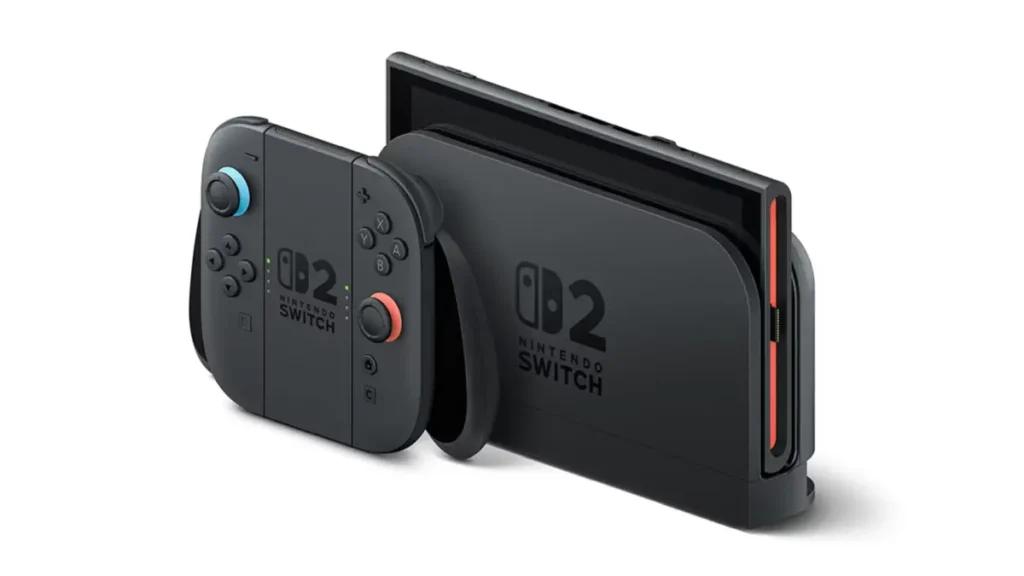
What Switch 2 USB-C Lockdown Means for Consumers
For consumers, Nintendo’s approach means significantly higher costs and fewer options. The official Switch 2 dock costs $120, compared to quality alternatives typically priced $30-50. Users cannot repurpose existing USB-C docks from laptops, Steam Deck, ROG Ally, or other devices. Each Switch 2 owner needs Nintendo’s specific accessories for full functionality.
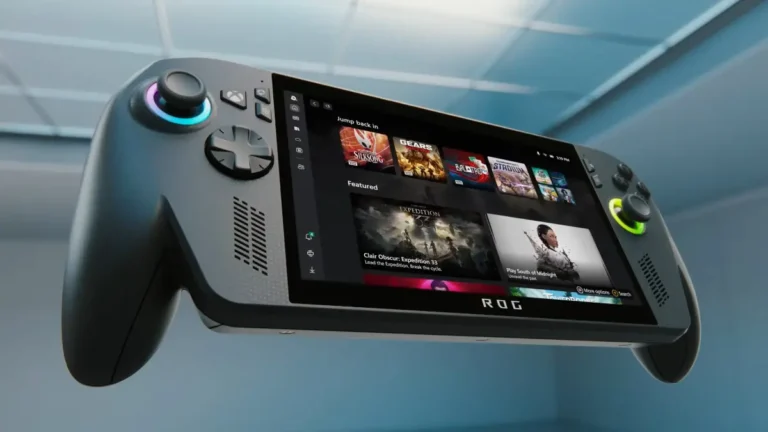
The broader implications concern the entire handheld gaming market. Valve’s Steam Deck, ASUS ROG Ally, Lenovo Legion Go, and other competitors use standard USB-C protocols. Any compatible dock, hub, or accessory works across these devices. Nintendo’s USB-C decision breaks this interoperability, creating a walled garden that even Apple hasn’t attempted with their USB-C implementation.
Charging still works with standard USB-C power adapters, but users lose critical features like video output and USB data transfer through docks. For a portable gaming device, dock functionality is essential to ‘Switch’ between handheld and TV modes. This limitation fundamentally restricts how owners can use their console.
The handheld gaming community now faces a precedent where manufacturers might follow Nintendo’s example, potentially ending the era of universal USB-C compatibility that consumers have come to expect. Whether the market accepts this regression to proprietary standards remains to be seen, but Nintendo’s massive Switch 2 pre-order numbers suggest many consumers will reluctantly pay the premium for official accessories rather than boycott the practice.
Hardware. Specs. Benchmarks.
LoadMaster breaks down handheld performance to the last frame. Specializing in deep comparisons between devices like the Switch 2, Steam Deck, and ROG Ally, he focuses on specs, chipsets, battery life, and thermal behavior. If it’s measurable, he’s on it.