
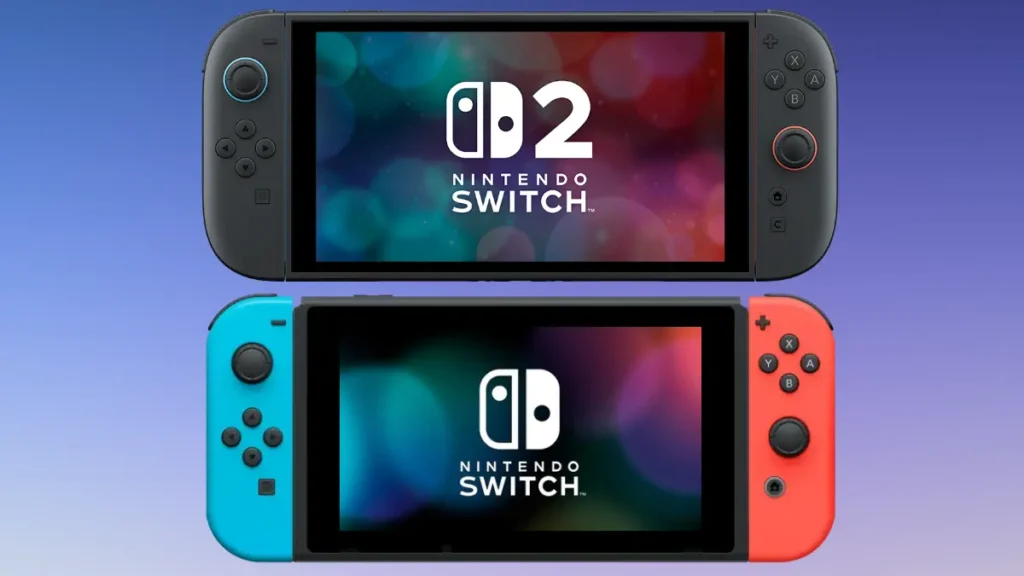
The entertainment world is buzzing with excitement as Nintendo’s latest console generation arrives. With the Nintendo Switch 2 officially launched in June 2025, millions of players face a crucial decision: stick with their current Nintendo Switch (LCD or OLED) or make the leap to the new powerhouse? This comprehensive Switch vs Switch 2 comparison will help you make the right choice based on your needs, budget, and preferences.
Whether you’re a longtime Nintendo fan or considering your first handheld purchase, understanding the key differences between these devices is essential for making an informed decision in 2025.
Switch vs Switch 2: Key Differences and Specifications
The battle between Switch vs Switch 2 comes down to several critical factors that will determine which device suits your lifestyle best.
Display Technology: The newer model features a larger 7.9-inch LCD screen with 1080p resolution, HDR10 support, and up to 120Hz refresh rate. This represents a significant upgrade over the original’s 6.2-inch 720p LCD display. However, the OLED variant offers a 7-inch OLED panel with superior contrast and more vibrant colors, though limited to 720p resolution.
Performance Capabilities: Under the hood, the latest console packs a custom NVIDIA T239 processor with 8-core ARM Cortex A78C CPU and 12GB LPDDR5X RAM (9GB available for games). This delivers dramatically improved performance compared to the original’s 4GB RAM and older Tegra X1 chip. Games load faster, run smoother, and support higher frame rates on the new hardware.
Storage Solutions: Storage represents another major advantage for the updated model, offering 256GB of internal storage—four times more than the OLED’s 64GB and eight times more than the original’s 32GB. The new device also supports faster microSD Express cards for expansion.
Pricing Structure: Following recent price adjustments, the OLED variant now costs $399, while the latest model launches at $449—just a $50 difference. The original LCD version is priced lower, making it the budget-friendly option.
For complete technical specifications, visit Nintendo’s official Switch 2 page for detailed hardware information.
Performance Comparison: Original Switch Models vs Switch 2
When examining Switch vs Switch 2 performance metrics, the differences are substantial and immediately noticeable during gameplay.
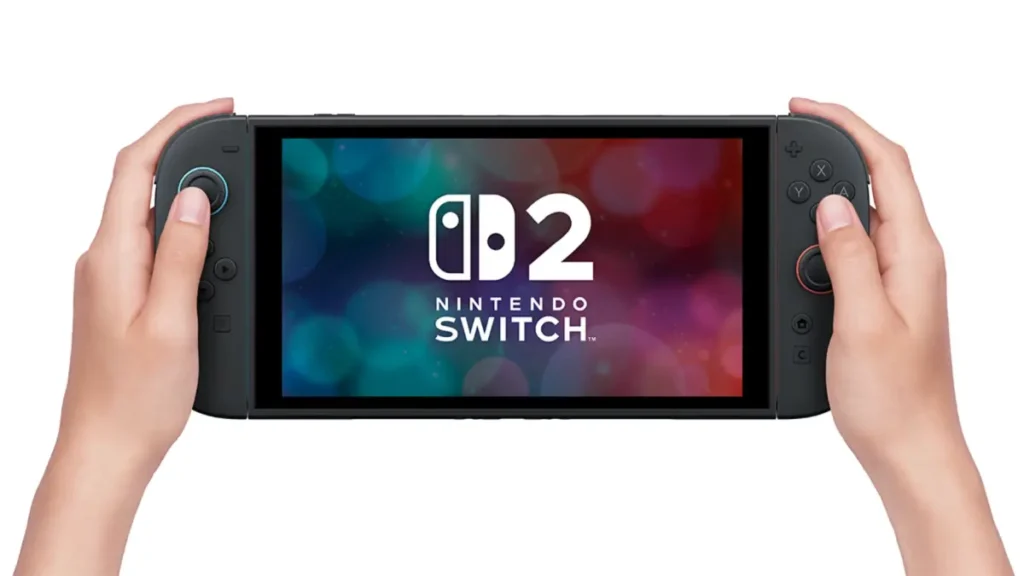
Performance Capabilities: The newer model delivers high-quality entertainment with support for 4K resolution at up to 60fps when docked, and 1080p at up to 120fps in handheld mode. Original models max out at 1080p docked and 720p handheld, typically running at 30-60fps depending on the title.
Load Times and Responsiveness: Thanks to faster UFS storage and improved processing power, the latest device boots titles significantly quicker. Popular games like Super Smash Bros. Ultimate drop you into matches within seconds, while titles with large open worlds show dramatically reduced loading screens.
Battery Life Considerations: Here’s where the comparison gets interesting. The OLED model offers 4.5-9 hours of battery life, significantly outperforming the newer device’s 2-6.5 hours. The original LCD version falls somewhere in between. Despite having a larger battery, the more powerful components drain energy faster, making it less ideal for extended portable sessions.
Backward Compatibility Benefits: The latest console plays nearly all original titles, with many receiving free performance updates. Games like The Legend of Zelda: Tears of the Kingdom now run at stable 60fps in handheld mode, while titles like Pokémon Scarlet & Violet benefit from improved frame rates and HDR support.
When to Choose Nintendo Switch (LCD or OLED Model)
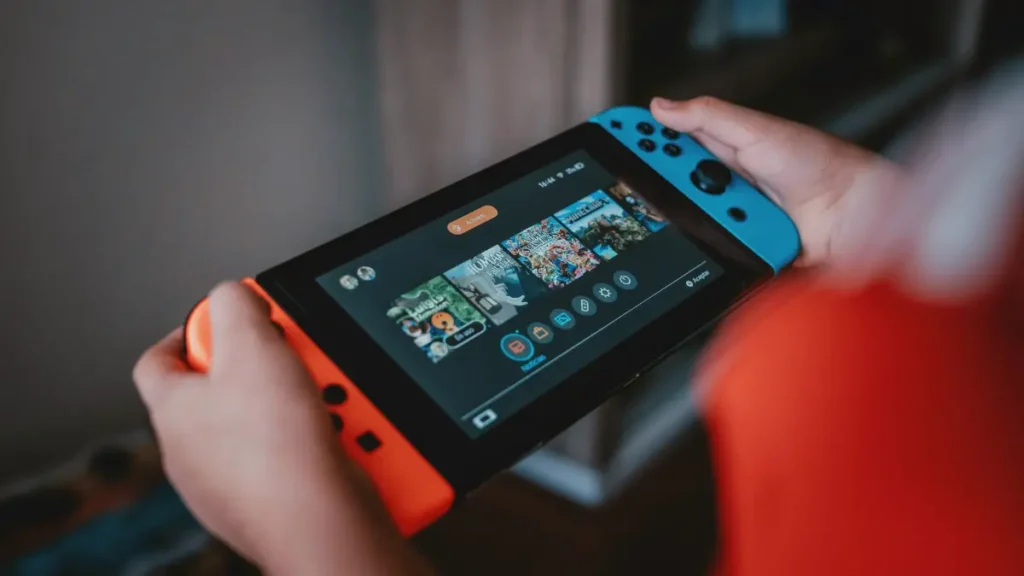
Despite the newer console’s impressive capabilities, the original models still offer compelling advantages for specific user groups.
Budget-Conscious Players: With the OLED at $399 and occasional sales on the LCD model, these devices provide excellent value for accessing Nintendo’s massive library. You’ll save money on both the hardware and software, as older titles frequently go on sale.
Extended Portable Play: If you frequently play on long commutes or travel regularly, the OLED’s superior battery life (up to 9 hours) makes it more practical than the latest model. The OLED’s gorgeous display also provides better viewing experience in various lighting conditions.
OLED Display Enthusiasts: The OLED variant’s display technology delivers deeper blacks and more vibrant colors that many users prefer over LCD panels. For titles with darker scenes or rich visual aesthetics, the OLED experience can be superior despite the lower resolution.
Existing Library Satisfaction: If you’re satisfied with current Nintendo exclusives and don’t need cutting-edge performance, the original models provide access to the same extensive catalog without the premium price.
Why Nintendo Switch 2 Might Be Worth the Upgrade
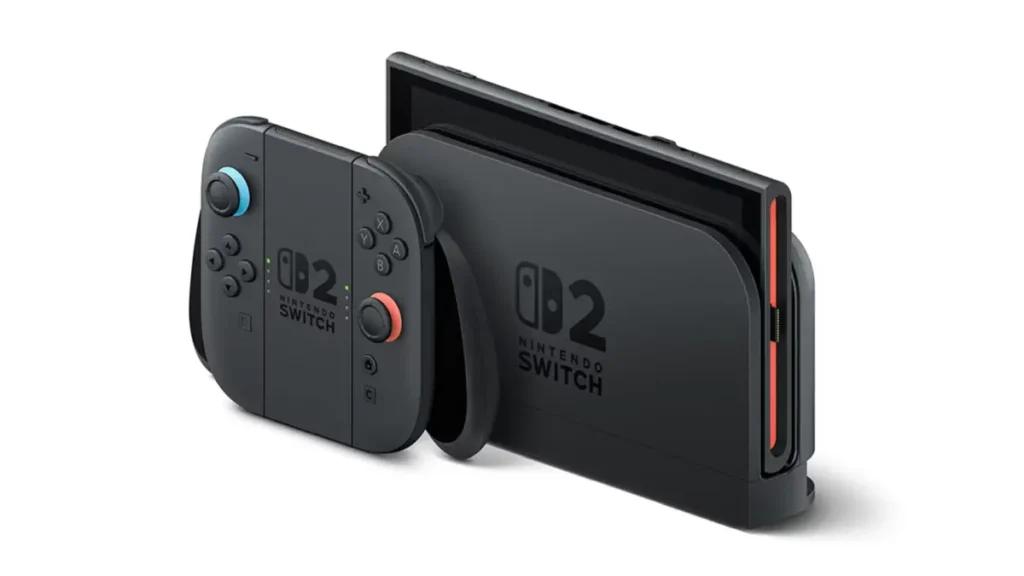
The Switch vs Switch 2 debate often tips in favor of the newer device for several compelling reasons.
Future-Proof Entertainment: The latest console is designed to handle upcoming AAA releases and Nintendo exclusives that may not come to older hardware. Early exclusives like Mario Kart World and Donkey Kong Bananza showcase the enhanced capabilities.
Enhanced Features: New functionality like GameChat enables seamless voice and video communication with friends. The Joy-Con 2 controllers feature magnetic attachment and can function as computer mice for strategy titles and precise aiming. This innovation opens exciting new gameplay possibilities.
4K Docked Experience: When connected to compatible TVs, the device outputs beautiful 4K visuals at 60fps. Nintendo titles now achieve current-generation quality. This makes it excellent for family sessions and showcasing experiences to friends.
Significant Storage Upgrade: With 256GB internal storage, you can download multiple large titles without constantly managing space or buying expensive microSD cards immediately. The faster storage also contributes to improved loading times across all software.
Long-Term Value: As Nintendo’s latest platform, this console will receive new releases, features, and system updates for years to come. Investing in the newest model ensures you won’t miss out on future Nintendo innovations and exclusive content.
For players considering alternatives beyond Nintendo’s ecosystem, our Nintendo Switch 2 vs Steam Deck comparison explores how the latest handheld compares against PC gaming portables.
Final Verdict: Which Console Wins in 2025?
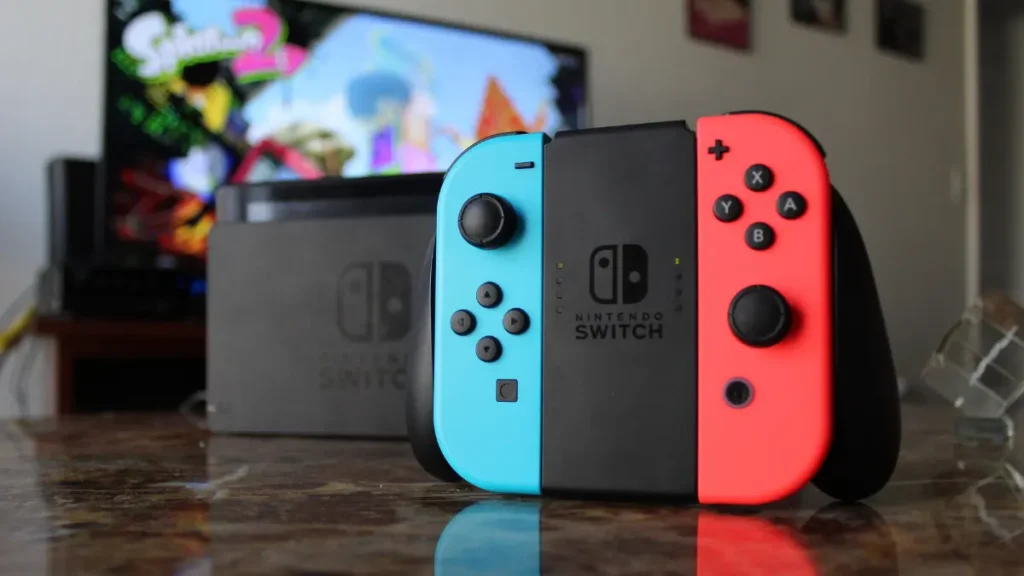
The Switch vs Switch 2 decision ultimately depends on your priorities and circumstances.
Choose the Nintendo Switch (LCD) if you:
- Want the most affordable Nintendo experience
- Are new to Nintendo’s ecosystem
- Don’t mind 720p handheld resolution
- Primarily game on your TV in docked mode
- Have a tight budget but still want quality titles
Consider the Switch OLED if you:
- Prioritize longer battery life for portable play
- Prefer stunning OLED display quality over higher resolution
- Want to save money while accessing Nintendo’s library
- Primarily enjoy existing Nintendo exclusives
- Value the premium handheld experience without the highest price
Choose the Switch 2 if you:
- Want the best possible performance available
- Plan to experience upcoming Nintendo exclusives
- Enjoy entertainment on your TV with 4K output
- Value future-proofing your investment
- Are interested in new features like GameChat and mouse controls
For most players in 2025, the newer device represents the better long-term investment. The price differences are reasonable considering the massive performance improvements, expanded storage, and guarantee of continued support from Nintendo. However, budget-conscious users and those satisfied with the current library will find excellent value in either original model.
The Nintendo Switch vs Switch 2 comparison reveals that all three devices have their place in today’s entertainment landscape. The LCD Switch serves budget gamers perfectly, while the OLED variant offers premium portable experiences. The Switch 2’s superior specifications and future potential make it the recommended choice for most players ready to experience Nintendo at its finest.

Hardware. Specs. Benchmarks.
LoadMaster breaks down handheld performance to the last frame. Specializing in deep comparisons between devices like the Switch 2, Steam Deck, and ROG Ally, he focuses on specs, chipsets, battery life, and thermal behavior. If it’s measurable, he’s on it.